
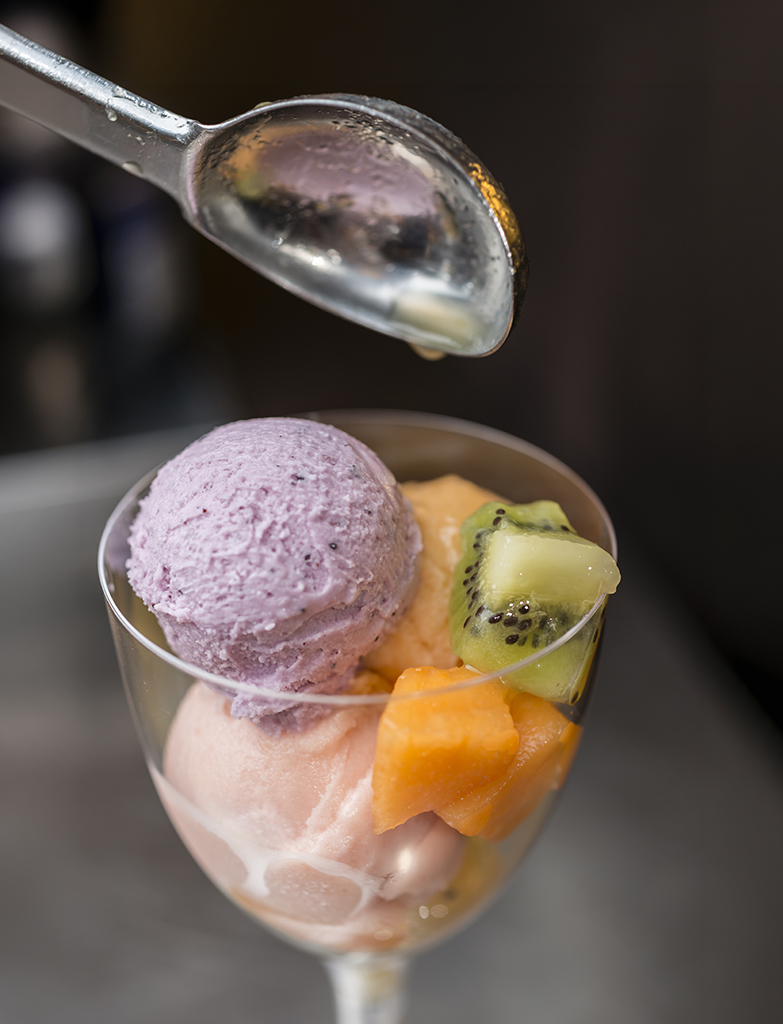
Sweltering heat? cool down your taste buds with delectable icy treats from around the globe!
Summers can be cruel with sweltering heat, but you can be kind to your taste buds. The best part? A single scoop of an Icy delight is an amazing idea. Across cultures and continents, thawed desserts have long been an easy answer to soaring heat. Wherever you go, the world’s cool treats promise you a tasty journey. From Italy’s silky gelatos to Japan’s colourful Kakigori and delightful Kulfis, every scoop tells a story of summer-soothing tradition, innovation, or simply just a local flavour. Here’s to an irresistible voyage of icy delectable round the world—one tasty spoonful at a time.
Types of frozen desserts around the world
Halo- Halo (Philippines)
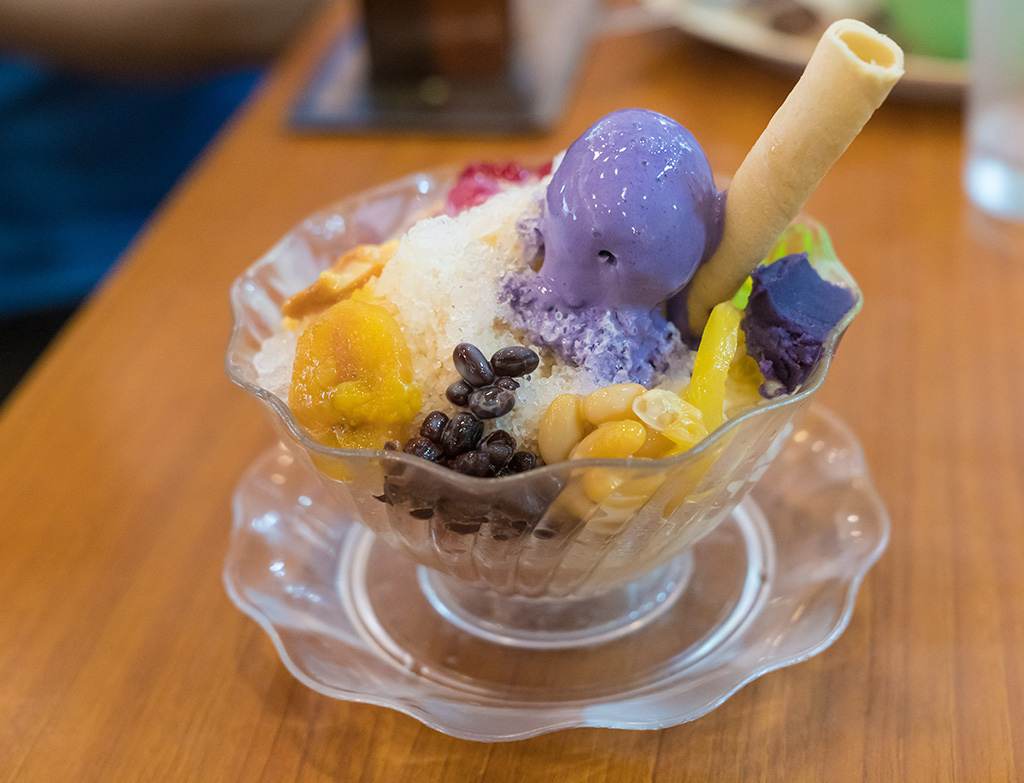
Halo-halo is a traditional Filipino dessert that translates to “mixing” and is a beautiful amalgamation of mingling colours and flavours brought together by the sweetness of condensed milk. Halo Halo traces back to Japanese immigrants in the early 1900s, who thoughtfully curated this shaved-ice dessert and layered it into a cup in a visually stunning presentation. The Filipino twist to the Japanese classic, Mitsumame, adds ube ice cream, fruit jellies, shredded coconuts, and syrups.
Kakigōri and Mochi Ice cream (Japan)

Kakigōri, the rich Japanese dessert, was once a luxury only reserved for the well-to-do elite.
During an era before refrigeration, preserving blocks of ice for thawing was quite expensive, making it accessible only to affluent families. However, today Kakigōri is Japan’s most refreshing escape from the heat. The recipe is quite simple—finely shaved ice, topped with flavoured syrups, matcha, or melon. When it comes to Japan’s favourite desserts, no list is complete without Mochi Ice cream. A popular combination of a chewy sticky rice paste layer enveloping creamy ice cream in unique flavours like green tea and strawberry. The traditional Japanese delicacy originally evolved from daifuku (rice cakes filled with red bean paste), and the thawed version of the dessert eventually became popular in the late 20th century.
Gelato and Granita (Italy)
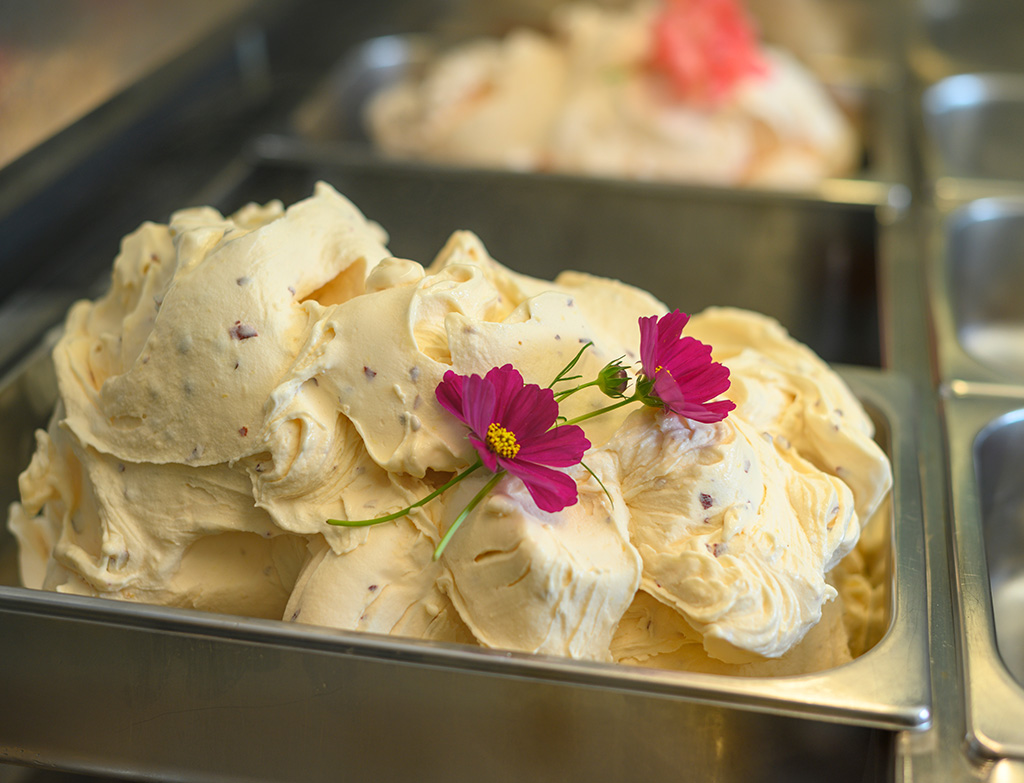
No icy treat list is complete without Italy’s beloved Gelato. The frozen delight stands out for its special composition. Made from slow-churned milk, it has a creamier and silkier texture, incorporating less fat. They come in a wide array of flavours, ranging from rich chocolate to crackling pistachios, and you can find at least one Gelario in every corner of the Italian cities. Another stunning, chilling masterpiece from the region would be Granita Siciliana. A classic confection made from shaved ice. Similar but not quite like sorbet— doused in lemon or syrups.
Dondurma (Turkey)

The Dondurma, often hailed as the famous ‘Turkish ice cream,’ is a unique spectacle in itself. This isn’t your quintessential melts-in-your-mouth ice cream; rather, it’s quite the opposite. Famously resistant to melting, Dondurma owes its thick, stretchy, and chewy texture to Salep (orchid tubers), goat milk, and sugar. Due to its unusual texture, vendors have a playful serving tradition.
Patbingsu (South Korea)
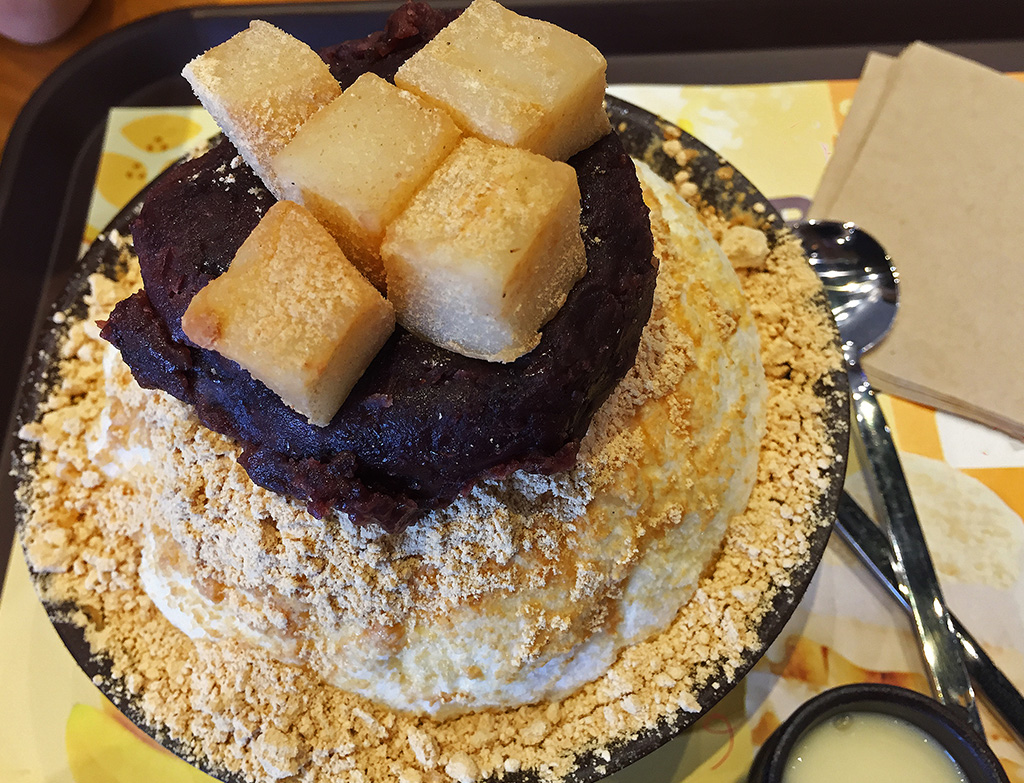
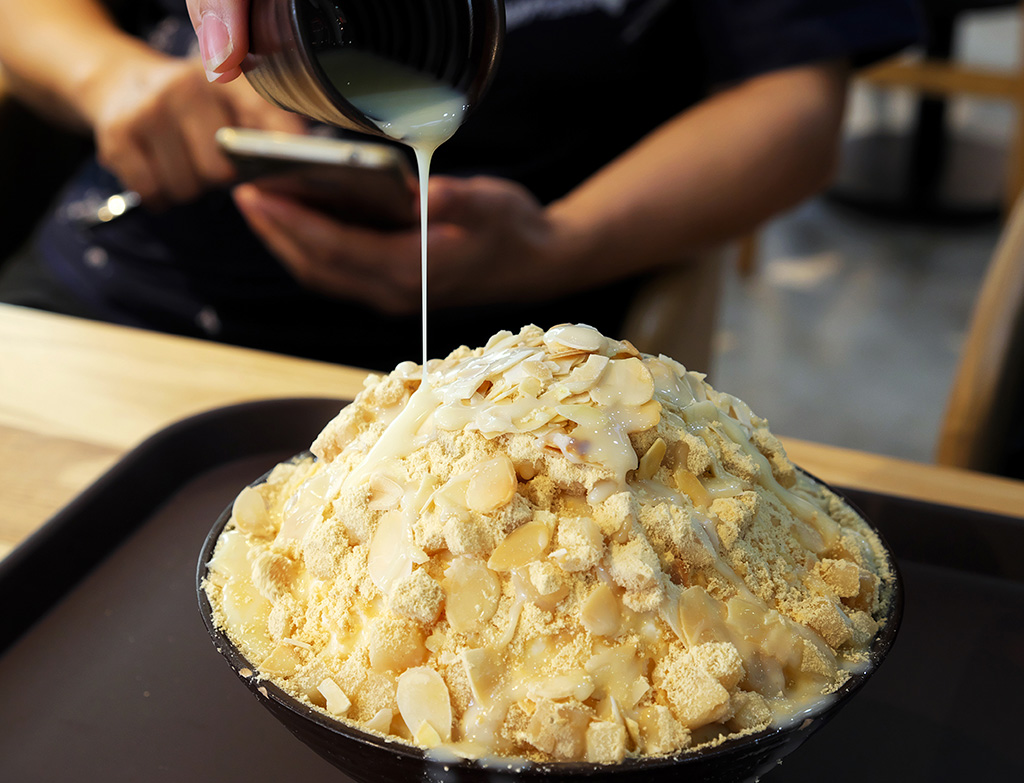
A South Korean cousin of the shaved ice family, Patbingsu finds its distinctive identity from a special ingredient—red bean paste. The recipe is simple—milk shaved ice, served with condensed milk and chopped fruits, occasionally topped with rice cakes.
Kulfi (India)
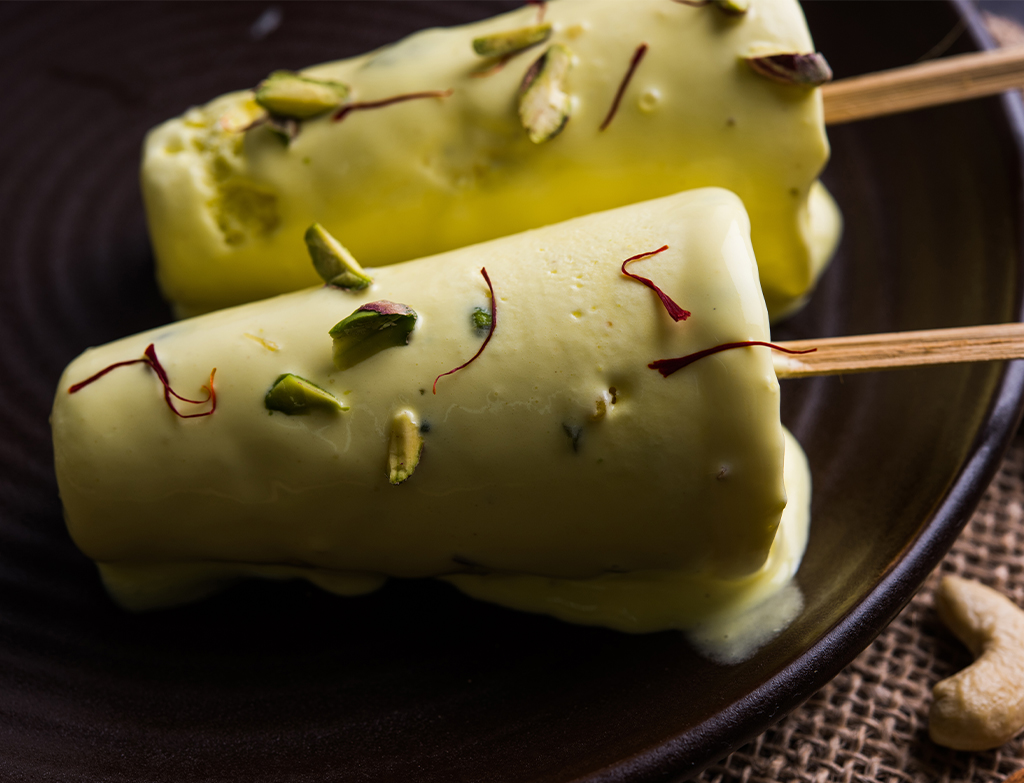
Tracing its origin back to the royal Mughal era, Kulfi stands apart from regular ice cream. The process isn’t like any other ice cream—milk is not churned; it’s slowly simmered for hours until it naturally thickens. How does it turn out? An amazing, milky, grainy, and creamy delight that is both irresistible and refreshing. You can even add your favourite add-ons, such as nuts, pistachios, saffron, rose petals, and chocolate, for flavour. A unique ice cream that is both healthy and tasty!
I-Tim Kati (Thailand)
What could be better than an I-Tim Kati on a hot summer day in Thailand? The country’s favourite coconut ice cream has long been the ultimate icy treat list here. Traditionally prepared from coconut milk, the I-Tim-Kati is vegan and creamy and minimally sweet; ideal indulgence for Thailand’s tropical climate. You will often find these being sold by street vendors carrying them in traditional metal canisters, packed with ice and salt.
Ice Cream vs Frozen Dessert: What’s the Difference?
A major difference between ice creams and frozen desserts is that ice creams are prepared from real milk, while frozen desserts use vegetable oils instead of dairy products.
FAQs
What is the difference between ice cream and frozen dessert?
While Ice creams contain a minimal amount of dairy fat, frozen desserts rely mostly on vegetable fat for the creamy texture and taste.
What are the most popular frozen dessert brands?
Some of the most popular frozen desserts would be Kwality Wall’s, Vadilal and Cream Bell.
What are the different types of ice cream around the world?
Different types of Ice cream around the world include India’s Kulfi, Italy’s Gelato and Ganita Siciliana, Turkey’s Dondurma or ‘Turkish Ice cream’, South Korea’s Patbingsu, and Japan’s Kakigōri and Mochi Ice.

 Add to favorites